Siddhasana | Adept Pose
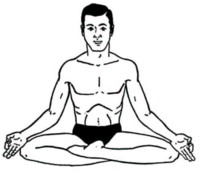 Siddhasana or Adept Pose technique is one of the best for meditation. ‘Siddha’ is a sanskrit word which means ‘adept’ or ‘accomplished’, one who has attained the bliss. One who has awakened the kundalini power. The name of this asana signifies the attainment of complete peaceful mind.
Procedure
1. Siddha asana is a seated posture. Sit on the floor on mat. ‘Bend the left leg from the knee’ by grabbing the foot by hands and put the heel just below the Sivni Nadi or perineum (between anus and genitals). By doing this, you will be in posture of sitting on the left leg’s heel.
2. Now bend the right leg, put right foot on the left in such a way that ankles of both the feet should touch each other. Right ankle should be on left ankle.
3. Now put both the hands on the keens with palms up, in Gyan Mudra (thumb and index finger touching each other, remaining three fingers straight) like padmasana.
4. Close your eyes, sit calmly and concentrate the mind as much as possible.
Duration
In the beginning sit in siddha asana for the time as comfortable for you. Don’t overdo it. As the practice increases, this can be done upto 10 minuts for a normal practitioner.
Yogies, the kundalini practitioners do meditation in siddhasana for long hours for the atainment of bliss and kundalini power.
Benefits
- The ‘vital energy’ flows upwards from Muladhar Chakra to Sahasrar Chakra. One of the best asana for meditation. It helps to maintain equilibrium between body and mind.
- Very helpful to cure piles, hemorrhoids and sexual diseases.