Vajrasana | Diamond Pose
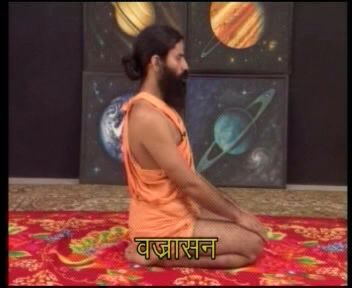
Vajrasana is a sanskrit word which has two parts, ‘vajra’ and ‘asana’. Vajra means ‘Thunderbolt’ or ‘Diamond’, therefore it is also called ‘Diamond Pose’.

Procedure

Vajrasana is an easy sitting posture.

1. Fold both the knees, keep them joint with each other and sit on the pit formed   by  the heels.

2. Keep the spine, neck and head straight.

3. Put both the palm on thighs or knees.

4. Breath normally.

Duration

This is very comfortable asana. It is practiced for meditation, pranayama and some other asanas, too. One can practice it as long as he can do comfortably. It should be practiced minimum for ‘three’ minutes.

Benefits

  • This is the only asana which can be practiced just after meal as it prevents the digestion disorders and reduces the chances of acidity and gas. If it is practiced 5-15 minutes after meal, the food gets digested comfortably and relieves from acidity and constipation.
  • During vajrasana the vital energy flows upward from Muladhar to Sahasrar Chakra, so it is very helpful for Meditation, Pranayama and Kundalini Awakening.
  • Very helpful to relax sciatica pain, waist pain and back pain.
  • It is good for women even in menstrual period as it relives from pelvic strain, waist pain or burning sensation. Diamond Pose is very effective in menstrual disorders and problems such as abortion. It is also helpful for pregnent women to ensure normal delivery .

Similar Posts

  • Chakrasana | Wheel Pose

    Chakra means wheal, in sanskrit. The body looks like wheel’s shape while doing Chakra Asana. This is also known as Urdhva-dhanur-asana, which means pose similar to ‘bow’. Urdhva means elevated or upright and Dhanur stands for bow. This way we may call it ‘Raised Bow Pose’. Procedure 1. Lie flat on the back comfortably like…

  • Vrikshasana | Tree pose

    Vriksh means a tree and this pose resembles a tree and is known as the tree pose. It helps to strengthen the back, calves, thighs and ankles. Flexibility of groin and hips area get increased. Balance and concentration is improved. Process 1. Begin with Tadasana. 2. Place the both hand on ground while standing up,…

  • Konasana | Angle Pose

    Konasana or Angle Pose is also known as open angle or seated wide leg forward bends.  Kona means angle and asana means posture. Procedure 1. Stand up straight with keeping the distance of legs around two feet. 2. Inhale slowly to and turn body to the left bending at the waist to bring left hand…

  • Shalabhasana | Locust Pose

    Shalabhasana in Sanskrit means ‘locust’. This posture resembles a locust. Process-1 1. Keeping face downwards lie flat on abdomen and chest. 2. Place hands under each thigh 3. Now breathing in lift the right leg up, do not bend the knee. 4. Repeat this from other leg. 5. Repeat it two to four times. Process-2…

  • Bhujangasana | Cobra Pose

    Bhujang in Sanskrit means ‘cobra’ resembles the ‘hooded snake’ and it is a cobra pose. It is one of the important postures in yoga. Spine get stretched to strengthen the arms and back. Heart, chest and many physical and psychological benefits are attained in this posture. Purna Bhujangasana This is a variant of bhujangasana. Following…