Padmasana | Lotus Pose
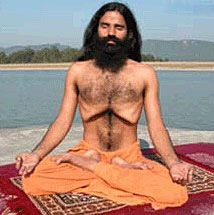 Lotus Pose or Padmasana is widely practiced asana for meditation and kundalini awakening. In India all the yogies sit most of the time in Padmasana. In this pose the devine energy flows upwards from Muladhar to Sahasrara Chakra.
Procedure
1. Sit on the floor with your legs stretched straight in front.
2. Bend the right knee, grip the right foot with help of both hands and place on top of the left thigh to the heel as closest possible to the navel.
3. Now do same with the left leg, bend the left knee and grip the left foot with both hands and place on top of the right thigh to the heel as close to the navel as possible.
4. This way, both knees would be on the ground and the soles of both feet are pointed upward. The spine should be held straight but not stiff.
5. When the practitioner feel uncomfortable after some time on sitting in the same situation, the position of the legs can be altered.
6. Both the hands can be placed on the knees either with palm face down or in ‘Gyana Mudra’. Hands can also be placed both palm on each other with touching the naval on the upword facing both feet.
Padmasana Video By Swami Ramdev ji
Ardha Padmasana
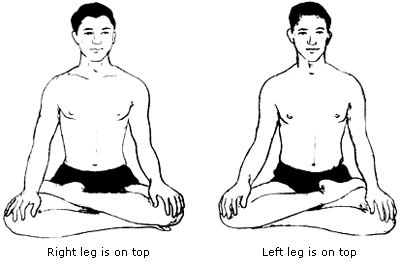 Those who find padmasana very difficult or painful, they can practice ‘Ardha Padmasana’, which means Half Lotus Pose.
The process is followed by only one leg alternatively. First, the right leg is placed on the left thigh and left leg should remain bend and lie on the floor. After some time the right leg should be released and same process is followed by left leg.
Duration
It depends on the practitioner that how long can he do asana comfortably. Any asana should not be over practiced to cross the body limitations. As the days of practice increases, knees streaching as well as the duration of comfortable sitting should automatically increase.
Baddha Padmasana
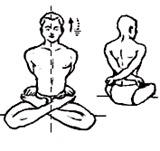 This is an addition to normal ‘Padmasana’ posture. Only placement of hands is changed.
1. Sit in normal ‘Padmasana’ posture.
2. Cross your left hand at the back to grip the big toe of right foot.
3. Now cross right hand at the back to grip the big toe of left foot.
4. This way both legs and hands are locked up to each other.
5. Breath normally and sit in this position as long as possible for you.
6. For beginners, if gripping the toe is difficult, just touch the each other toes.
Padmasana Benefits
The Lotus-Pose or Padmasana maintains relaxation, concentration, meditation and ultimately, kundalini awakening. This posture makes natural balance throughout the body and mind. After some days of practice, when the knees are stretched enough to remain in the Padmasana without discomfort, this great pose creates a feeling of effortlessness and comfort that will soothe the nervous system, quiet spirit and on the state of sharpness. Padmasana is the pose which is most relevant in atainment of kundalini power.
Baddha Padmasana is highly recommeded to improve chest, shoulder, spinal, thigh, waist flexibility. It rectifies any curvature problem in spine and arthritis. Very useful for constipation and digestive problems.